10 Startups That Are Set To Revolutionize The Wood Burning Fireplaces UK Industry For The Better


Wood Burning Fireplaces in the UK: A Comprehensive Guide
Wood burning fireplaces have long been a staple of warmth and beauty in homes throughout the UK. The crackling noise of burning wood and the flickering of flames develop a welcoming environment, transforming a house into a warm sanctuary. With the growing trend of environmentally friendly heating services, wood burning fireplaces are becoming progressively popular again. This article provides an in-depth take a look at wood burning fireplaces in the UK, their benefits, policies, upkeep, and other vital information for possible buyers and users.
Understanding Wood Burning Fireplaces
Wood burning fireplaces can be specified as enclosed areas designed for burning wood, offering both heat and aesthetics to living areas. fireplacesandstoves.uk are available in different styles, accommodating modern aesthetics and traditional designs.
Kinds Of Wood Burning Fireplaces
- Open Hearth Fireplaces: Traditional in style, open hearth fireplaces supply a genuine experience. However, they are less efficient and can lead to heat loss.
- Wood Burning Stoves: These are closed systems that burn wood effectively. They can be freestanding or inserted into existing fireplaces.
- Fireplace Inserts: Designed to be fitted into open hearths, these inserts improve combustion efficiency while maintaining the traditional look.
- Pellet Stoves: These are modern wood burning home appliances that use compressed wood or biomass pellets, using a cleaner burn and greater efficiency.
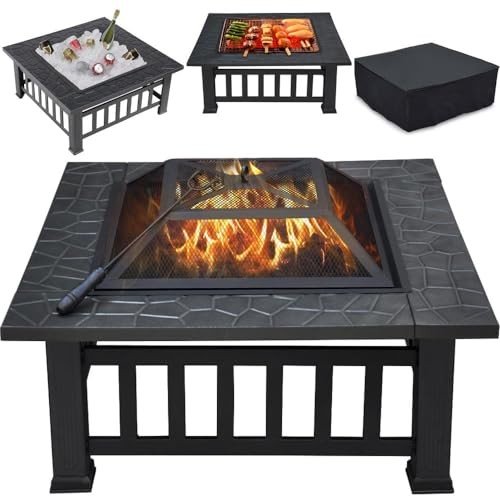
- Outdoor Fireplaces: These are developed for external usage, often enhancing outdoor home and providing warmth during gatherings.
Advantages of Wood Burning Fireplaces
- Eco-Friendly: When sourced sustainably, wood burning can be a carbon-neutral heating service.
- Cost-efficient: With rising energy prices, making use of wood can be a less expensive choice, particularly if you have access to free or low-cost timber.
- Visual Appeal: The atmosphere created by a roaring fire is unrivaled, adding character and beauty to any area.
- Adaptability: Wood burning fireplaces been available in numerous styles and styles, making them ideal for nearly any interior design.
- Self-Sufficient Heating: In remote locations or during power outages, wood burning fireplaces offer a trustworthy source of heat.
Regulations Surrounding Wood Burning Fireplaces in the UK
To maintain air quality and ensure safety, the UK federal government and regional authorities have actually developed guidelines worrying making use of wood burning fireplaces.
- Smoke Control Areas: Many urban areas are designated as smoke control locations where only 'Exempt Appliances' can be used to burn wood.
- EPA and Defra Certification: Wood stoves and fireplaces should adhere to regulations from the Environmental Protection Agency (EPA) and the Department for Environment, Food & & Rural Affairs (Defra).
- Biomass Requirements: Only sustainably sourced wood logs ought to be burned, sticking to guidelines to minimize carbon emissions.
- Air Quality Regulations: Regular checks may be needed to guarantee that your fireplace does not produce excessive smoke emissions.
| Element | Details |
|---|---|
| Kind of Fireplace | Open Hearth, Wood-Stove, Insert, Pellet Stove, Outdoor |
| Eco Friendliness | Sustainable sourcing makes it carbon-neutral |
| Laws | Must abide by regional smoke control and emissions laws |
| Efficiency | Varies by type; wood ranges typically use higher efficiency |
| Aesthetic Options | Vast array of styles, from traditional to modern styles |
Maintenance of Wood Burning Fireplaces
Appropriate maintenance is necessary to guarantee the security and longevity of wood burning fireplaces. Following these standards can help property owners enjoy their fireplaces year after year.
Regular Maintenance Tips
- Yearly Inspections: Hire a professional chimney sweeper to check and clean the chimney a minimum of once a year.
- Inspect for Creosote Buildup: Creosote, a byproduct of wood burning, can accumulate in the chimney and present fire threats.
- Fireplace Cleaning: Regularly clean out ash and debris from the firebox to optimize effectiveness.
- Look for Cracks and Damage: Inspect the fireplace and flue for cracks or damage that might affect performance or security.
- Usage Seasoned Wood: Only burn dry, seasoned wood to reduce creosote buildup and enhance efficiency.
Security Precautions
- Install Carbon Monoxide Detectors: Ensure that your home is equipped with CO detectors to keep an eye on gas levels.
- Keep Flammable Items Away: Maintain a safe distance in between the fireplace and flammable products.
- Never Ever Leave Unattended Flames: Always supervise the fireplace while it's in use.
- Use a Fire Guard: Install a screen or guard to avoid cinders from escaping the fireplace.
- Educate Everyone: Ensure that all home members understand the safe operation of the fireplace.
Frequently Asked Questions About Wood Burning Fireplaces in the UK
Q: Is it legal to utilize a wood burning fireplace in urban areas?
A: Yes, but you need to stick to local regulations, specifically if you reside in a smoke control location.
Q: How can I tell if my device is exempt?
A: Look for the 'Exempt Appliance' label accredited by Defra, showing that the device fulfills emission limitations.
Q: What kind of wood is best for burning?
A: Seasoned hardwoods like oak, ash, and birch burn most efficiently. Softwoods like pine can produce more creosote.
Q: How often should I clean my chimney?
A: It's suggested to tidy and inspect your chimney a minimum of once a year, regularly if you use it frequently.
Q: Are there advantages to using a wood burning stove over a fireplace?
A: Yes, wood burning ranges are generally more efficient, produce less smoke, and provide much better heat retention compared to open hearth fireplaces.
Wood burning fireplaces remain a valued feature of numerous homes across the UK, mixing practicality with visual appeal. By understanding the different types, benefits, regulations, and upkeep requirements, homeowners can take pleasure in the warmth and atmosphere of a wood burning fireplace while sitting comfortably within regulatory boundaries. With a growing concentrate on sustainability, wood burning might continue to function as a feasible heating service for several years to come. Whether you're an experienced user or exploring the alternative for the very first time, ensuring responsible usage and upkeep will optimize both safety and satisfaction.